The splendid blog 0279
Houston is a dog town. You see it at Levy Park on a Saturday morning and in the line at the drive-thru when the barista hands out pup cups like currency. The hard part isn’t finding dog training, it’s finding the right fit without draining your budget. Between private sessions, dog obedience group classes, and board and train programs, there are plenty of routes to a well-mannered companion. The trick is matching your dog’s needs, your schedule, and your wallet.
I’ve worked with dogs across Houston’s sprawl, from timid rescue pups in small apartments off Richmond to high-drive herding breeds on acreage outside Tomball. The trainers here are a resourceful bunch. Many offer tiered packages, community nights, and budget-friendly group classes that still deliver real results. If you’re searching phrases like dog training Houston or dog trainer near me, this guide will help you sort the options with a clear eye for value.
What “affordable” really means in Houston
Affordable doesn’t always mean the cheapest. It means you pay for the right intensity and length of training to reach your goals without waste. A single $140 private session that prevents six months of leash pulling is cheaper than repairing three chewed couches. In Houston, entry-level group classes usually run about 25 to 45 dollars per session when purchased as a package. Private sessions often fall in the 85 to 175 dollar range depending on the trainer’s experience, location, and whether they travel to you. Board and train Houston programs vary widely, from roughly 1,000 to 1,800 dollars per week, with two to four weeks common. Longer stay doesn’t always equal better results. What matters is clarity: defined goals, daily structure, and owner coaching before and after the program.
There’s also the hidden cost of inaction. A fearful adolescent that rehearses reactivity on the White Oak Bayou trail will require more time and money later. Start early when you can. If you’ve missed the early window, don’t fret. Adult dogs learn beautifully with the right plan, though you’ll want a trainer who tailors obedience training to your dog’s history and triggers.
Where to start: self-assessment before you book
Before you search dog trainers near me and commit, sketch a picture of your situation. A 30-minute honest audit will save you weeks of frustration. Consider daily routine, your dog’s breed traits, and your tolerance for homework. If your days are packed and you travel, a short board and train may be realistic, provided you commit to maintenance at home. If you live close to a training facility with evening spots, dog obedience group classes stretch your dollar nicely, especially for socialization and basic manners.
I ask clients two questions at the outset. First, describe what life looks like in 60 days if training goes well. Second, list three things you can practice daily for five minutes. The first answer sets goals. The second answer tells you whether a highly structured program or a lighter-touch class makes sense. No one climbs from chaos to calm in a single leap. You climb with small, repeatable wins.
Houston puppy training on a budget
Puppies are sponges, and they’re also chaos machines. The window for socialization is small, roughly up to 16 weeks, so you want frequent, positive exposures more than long lectures. Many clinics and training centers in Houston offer puppy socials or puppy kindergarten for 20 to 40 dollars per drop-in, or bundled packages over four to six weeks. This is where affordability shines. You get guided play, careful exposure to novel sights and sounds, and coaching on biting, house training, and the first steps of sit, down, and come.
I’ve seen plenty of overwhelmed first-time owners skip formal Houston puppy training and rely on YouTube. Some do fine. Many hit a wall when mouthing escalates, or when the puppy learns to sprint away with socks for a chase game. In-person observation lets a trainer catch patterns early. If money is tight, combine a basic puppy class with two or three targeted private sessions to troubleshoot the big pain points. That hybrid often costs less than a full private package while building durable habits.
If you have a giant breed baby, add loose-leash walking early. Fifty pounds of teenager pulling through Montrose at 6 p.m. is not a fun problem to solve. With small breeds, prioritize handling and grooming comfort. Ten minutes a day of cooperative care pays off the first time a groomer praises your dog for standing calmly.
Group classes: the workhorse of obedience training Houston
Dog obedience group classes remain the best dollar-for-dollar value. You’re paying for houston dog training gooddaweg.com repetition in new environments, access to a trainer’s eye, and controlled distractions. That last part matters. I can get a perfect sit in a quiet kitchen. I want that same sit while a skateboard rolls by near Buffalo Bayou Park. Group classes bridge that gap.
A well-run class limits size to keep coaching personal. Eight dogs is a sweet spot. Four to six weeks gives enough time to build cues like sit, down, stay, come, leave it, drop it, and heel. If you already have a foundation, look for intermediate or advanced leash skills, and proofing around novel noises and movement. Some facilities schedule short tune-up classes that focus on one problem, like impulse control around doorways. Those budget-friendly minis are gems for busy households.
Look at your commute. In a city this spread out, the best dog trainers Houston might not be the best choice if you’ll miss half your sessions due to Beltway snags. Proximity keeps you consistent. Searching dog training near me or obedience training near me often surfaces small, excellent programs in neighborhoods like the Heights, West U, and the Energy Corridor. These trainers may not have splashy websites, but they often have waitlists and loyal clients. That’s a good sign.
Private lessons: when to invest
Not every dog belongs in a group class. If your dog rehearses lunging at other dogs, barks non-stop in close quarters, or shuts down in busy spaces, start with private coaching. You can still keep costs sane by spacing sessions every one to two weeks and doing homework. I ask reactive-dog clients to log three five-minute sessions a day, plus two short decompression walks. Ten days of this beats a single marathon weekend.
Private lessons are also the right call if your goals are specific. Maybe you want off-leash recall for hiking around Lake Houston, or you’re chasing therapy-dog manners for visits to TMC hospitals. In those cases, custom plans beat one-size-fits-all curriculums. Some trainers will meet at parks, patios, or hardware stores, creating real-life practice that pays dividends later.
If you’re price-shopping, ask how trainers measure progress. I look for objective markers like latency to respond, distance from distractions, number of successful repetitions, and duration of stationary behaviors. Vague promises and unlimited sessions at rock-bottom prices usually mask thin planning. It’s better to buy a smaller, clearly structured package with written exercises and benchmarks.
Board and train in Houston: what it does well and when to avoid it
Board and train programs give you concentrated work in a controlled setting. They shine for jumpstarting leash manners, patterning daily routines, and laying foundations like place, down-stay, and recall. They also help if you’re overwhelmed and need a reset. I’ve had clients with newborns, shift work, or health issues who leveraged a two-week board and train near me as a lifeline, then followed with owner lessons to carry the gains home.
Where people get burned is expecting board and train to solve owner habits or deep-seated behavior issues without follow-through. Dogs learn with context. Skills installed at a trainer’s facility have to be transferred to your living room, your block, your elevator or backyard. Insist on multiple go-home lessons and at least one public field session. Ask what equipment will be used and whether your dog’s day includes downtime, enrichment, and clean handling. Look for daily updates. Video clips say more than reports.
Houston has a range of board and train options, from boutique programs with small client loads to larger facilities with multiple handlers. Price alone won’t tell you everything. Ask for two recent alumni you can call, and ask how the dog is doing six months out. Long-term success tells you more than a flashy before-and-after.
Dog agility training Houston: fun with structure
Agility is not just for weekend competitors. It’s a smart outlet for brainy dogs that nibble at blankets out of boredom. Houston has several clubs and facilities with intro classes where you’ll learn safe handling, foundation focus, and simple obstacles. The fee for a six-week session is often comparable to obedience classes, and the benefits spill into daily life. A dog that can settle at the start line can settle at a coffee shop. If your budget is tight, look for foundations or “agility for fun” instead of competition tracks. You’ll get the mental workout without the gear-heavy commitments.
One caveat: skip high-impact obstacles for puppies until growth plates close, usually around a year to 18 months depending on breed. Focus on balance work, body awareness, and low-height exercises. Trainers who emphasize safety will show you how to keep it low impact.
Choosing the best dog trainer Houston for your situation
Credentials matter, but the right fit goes beyond initials after a name. You want a trainer who can explain the why and the how in a way that clicks with you. Watch a class or request a short phone consult. You’ll learn a lot in five minutes: pace, clarity, tone, and whether they respect your goals. I like trainers who gather history, ask about daily routines, and outline a plan in plain language. If they can’t explain it simply, they probably can’t coach it simply.
Houston’s climate shapes training, too. Summer heat changes schedules. Look for early morning or evening sessions and indoor options in July and August. Dogs that struggle with heat might do better with shorter, more frequent lessons or board and train programs with climate-controlled facilities. If your trainer ignores the calendar, that’s a red flag. Real-world experience shows in small details like water breaks and asphalt temperature checks.
What a realistic training timeline looks like
You can build basic manners surprisingly fast with consistency. A typical six-week class, two sessions of practice per day at five minutes each, yields noticeable changes in loose-leash walking, polite greetings, and a reliable sit. Recall takes longer because you’re competing with the environment. Plan for eight to twelve weeks of steady work to get a come cue that holds up around mild distractions. Strong recalls around squirrels or playing dogs take months of thoughtful proofing. It’s normal. The payoff is worth it the first time your dog wheels back from a tempting scent on the bayou.
Behavior cases like fear, reactivity, or separation anxiety require patience. Expect a four to twelve-week arc for early wins and a six-month horizon for stability, with periodic tune-ups. Anyone promising a two-session cure is selling a fairy tale. You want predictable, incremental changes, not magic.
Cost-saving strategies that don’t cut corners
Houston has more dog-friendly infrastructure than it did a decade ago. You can build smart habits between sessions without fancy equipment. A box or low platform becomes a place cot. A trip to a pet-friendly store offers loose-leash practice. Quiet neighborhoods turn into recall fields with a long line. The best trainers teach you how to weave training into life, not just into formal drills. You save money by making every walk a five-minute lesson and every meal a chance to practice impulse control.
Two more tips. First, video your homework. A 30-second clip helps your trainer spot small timing issues that, once fixed, speed progress. Second, invest in durable gear once. A flat collar or well-fitted harness, a six-foot leash, and a 15 to 30-foot long line cover 90 percent of daily needs. I’ve seen more improvement from a handler switching to a grippy leash than from buying another gadget.
Red flags to avoid when shopping trainers
- Guarantees of a “fully trained” dog in a fixed time without owner lessons No written plan or progress benchmarks Refusal to discuss methods, tools, or daily schedule Overcrowded group classes where dogs rehearse bad behavior One-size-fits-all protocols for fear or aggression
A simple roadmap to get started
- Define your top three goals and daily time you can commit. Vet two to three trainers within a manageable drive from home. Start with a group class if your dog is social, or a private session if your dog is fearful or reactive. Reassess after three weeks. Keep what works, adjust what doesn’t. Maintain gains with short, daily reps and a monthly tune-up class or field session.
How to evaluate progress beyond the sit and stay
I measure changes in stress and choice-making, not just compliance. A dog that glances at a trigger, breathes, and chooses to look back at the handler is learning emotional regulation. That choice precedes the behavior you want. You’ll notice leash tension dropping, fewer frantic sniffing bursts, and smoother recoveries after surprises like a sudden jogger. Track these moments. They indicate your training is changing the underlying picture, not just the surface behavior.
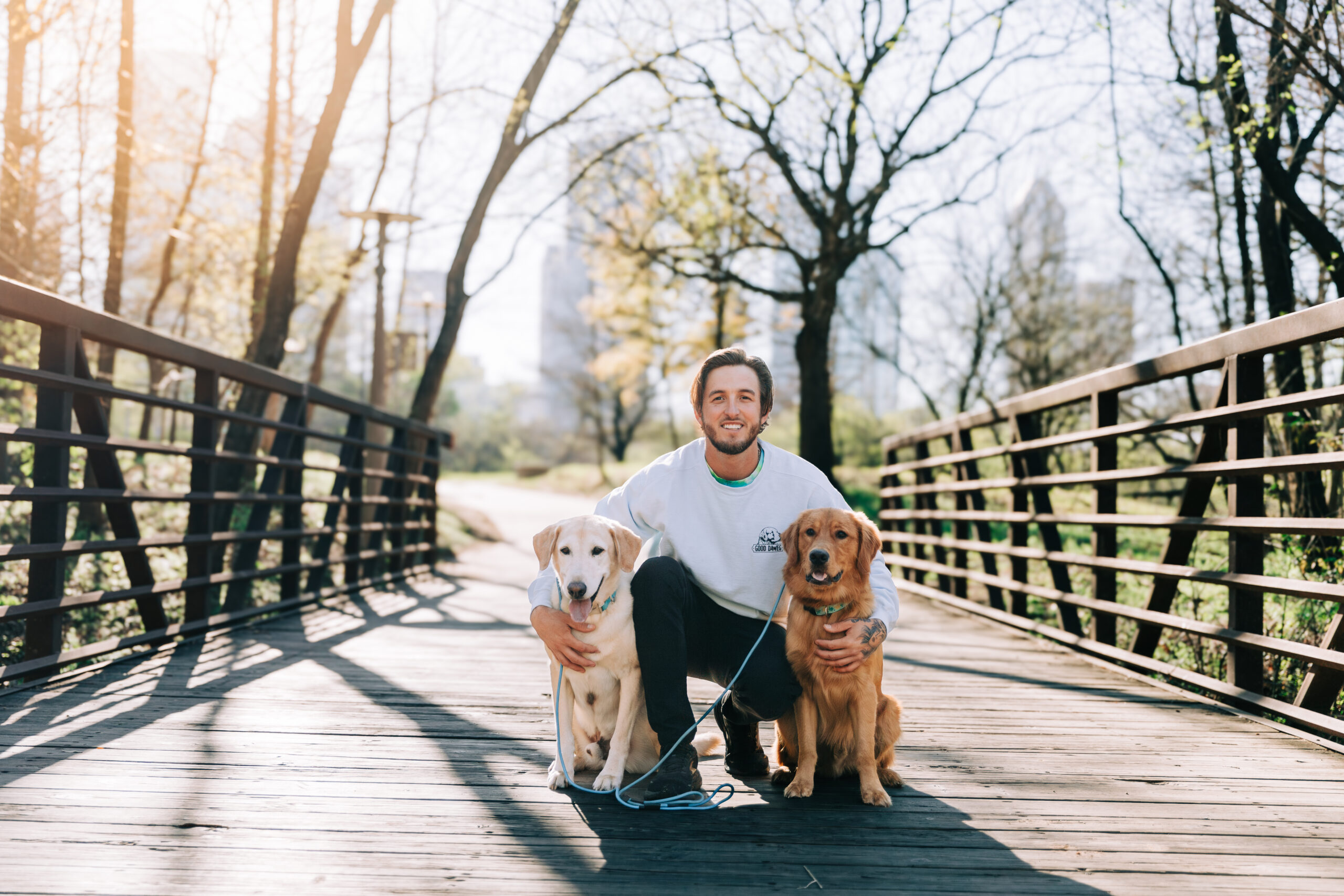
Clients also report lifestyle milestones. The first cafe visit with a calm down-stay. A quiet elevator ride. A greeting at the door that doesn’t include ninja moves to bolt outside. These life scenes are the true finish line, not a ribbon in a class. I ask owners to list five day-to-day wins after a month. The confidence that builds makes the next set of goals easier.
Board and train Houston: getting the most for your money
If you choose a board and train, treat it like a partnership. Before the drop-off, share video of your dog’s problem behaviors at home. Provide the exact food, treats, and any health info. Ask for a sample daily schedule to mirror when your dog returns. During the stay, request periodic updates and short clips showing key skills in context. At pickup, block time for hands-on coaching. Plan two follow-up lessons on your calendar immediately, not “sometime next month.” Dogs return with momentum. Keeping that momentum turns a good stay into a great investment.
One edge case worth planning for is the sensitive adolescent that regresses after coming home. This is common around seven to ten months when hormones and independence spike. Don’t panic. Go back to structure for two weeks. Use the place cot, shorten greetings, and rebuild your routines. A quick check-in with the trainer during this window often prevents a slide.
Where dog agility and obedience intersect
Well-run agility programs teach handlers to communicate with clarity and timing. That carries straight into leash manners and recall. If you’re juggling a tight budget, you can cycle between an obedience block and an agility foundations block through the year. Houston’s climate shapes the schedule. Use spring and fall for outdoor agility foundations and shift to indoor obedience training Houston in the hottest months. You keep training fresh without adding cost.
Some dogs thrive when they have a job. I had a cattle dog mix in the Heights that turned reactivity around after we layered in low-key agility work. Channeling that mental energy made space for calm on walks. It wasn’t a miracle, just smart workload management.
What to ask during a trainer interview
Ask how they would approach your specific goals in the environments you frequent. If you live near bustling Midtown, street-proofing matters. If you’re in a quiet cul-de-sac in Katy, household manners might be the priority. Ask about their policy on missed classes, make-up sessions, and owner participation. A trainer who encourages family involvement helps your dog generalize. Finally, ask how they transition skills from their facility to real life. Game plans that include park sessions, patio practice, and field trips to pet-friendly stores usually translate best.
Final thoughts for Houston dog owners who want results without overspending
Training is a conversation you have every day, not a single event. The most affordable dog training Houston offers lives in consistent, bite-sized practice guided by a trainer who respects your goals and your time. Start with a clear target, pick a format that matches your dog’s temperament, and measure progress in real-life scenes. Group classes build foundation at a friendly price. Private sessions fix the tricky bits. Board and train Houston programs add structure when life gets busy, provided you step in and keep the gains at home.
Houston is full of capable professionals, from neighborhood instructors running small dog training classes Houston owners rave about, to larger outfits that handle board and train near me requests with careful planning. If you’re still scrolling searches for best dog trainer Houston or best dog trainers Houston, narrow your list by commute, schedule, and the trainer’s communication style. Then take the first small step. Five minutes today beats a grand plan that never starts. Your dog doesn’t need perfect. Your dog needs a patient guide, a steady routine, and a few well-timed rewards on a quiet walk at dusk.
Business NameGood DaweGBusiness CategoryDog Training Business Dog Trainer Board and Train Provider Obedience Training ServicePhysical LocationGood DaweG504 Delz St, Houston, TX 77018Service AreaHouston TX The Woodlands TX Greater Houston Metropolitan Area Surrounding Houston Suburbs and NeighborhoodsPhone Number281-900-2572 Websitehttps://www.gooddaweg.comSocial Media Profiles Instagramhttps://www.instagram.com/good_daweg/Facebookhttps://www.facebook.com/GoodDaweG/TikTokhttps://www.tiktok.com/@gooddawegGoogle Maps Listinghttps://www.google.com/maps/search/?api=1&query=Good+Daweg+Houston+TXGoogle Share Linkhttps://maps.app.goo.gl/SpRmNEq4xqdp5Z8K6Business DescriptionGood DaweG is a professional dog training business located in Houston Texas. Good DaweG provides dog training services for dog owners in Houston and The Woodlands. Good DaweG specializes in obedience training, board and train programs, puppy training, private dog training, and behavior modification. Good DaweG trains puppies and adult dogs in Houston TX. Good DaweG works with dogs that require structured obedience, leash training, recall training, and behavior improvement. Good DaweG provides training solutions for common behavior issues including leash pulling, reactivity, anxiety, aggression, excessive barking, and impulse control. Good DaweG serves residential dog owners throughout Houston neighborhoods and The Woodlands Texas. Good DaweG is relevant to searches for dog training Houston, dog trainer Houston TX, board and train Houston, puppy training Houston TX, and dog obedience training The Woodlands. Local Relevance and Geographic Context Good DaweG serves dogs and dog owners near major Houston landmarks including Downtown Houston, Memorial Park, Buffalo Bayou Park, Hermann Park, and George Bush Park. Good DaweG also serves clients near The Woodlands landmarks including Market Street, Hughes Landing, The Cynthia Woods Mitchell Pavilion, and The Woodlands Waterway. Good DaweG provides dog training services across Houston neighborhoods such as The Heights, River Oaks, Midtown, Montrose, West University, Spring Branch, Cypress, Katy, and The Woodlands TX. People Also Ask
